


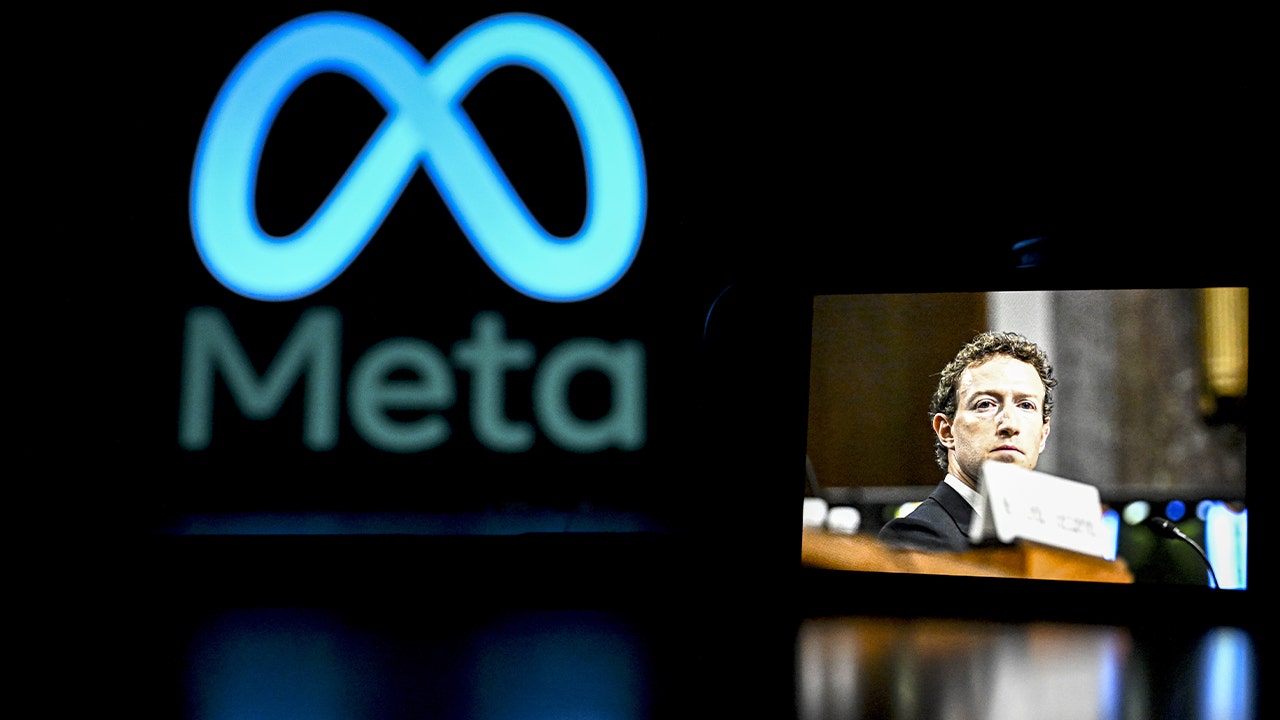

Meta has agreed to pay as much as $17.1 billion to settle claims that the tech giant designed Facebook and Instagram to addict children and misled the public about the platforms’ safety.
The deal, disclosed in court papers on Wednesday, resolves claims brought by 29 states and averts one of the highest-profile tests yet of allegations that social media companies have harmed young users. Meta CEO Mark Zuckerberg could have been called to testify before the settlement happened.
The states accused Meta of violating consumer-protection laws and improperly collecting children’s personal data without parental consent. Meta has denied the allegations and said it has worked to protect children on its platforms.
STATE SUES SNAPCHAT OVER ALLEGED ADDICTIVE FEATURES AND ADULT CONTENT FOR KIDS
Meta will pay at least $12.1 billion over 10 years under the agreement, according to the D.C. attorney general’s office. The company could be required to pay another $5 billion, bringing the settlement to $17.1 billion, if other major social media companies agree to adopt comparable child-safety measures.
Meta said Wednesday that the agreement builds on its existing efforts to protect teens and give parents more control over their children’s use of its platforms.
META, OTHER COMPANIES MUST FACE THOUSANDS OF LAWSUITS OVER CHILD SOCIAL MEDIA ADDICTION, APPEALS COURT RULES
“Ensuring teens have a safe and productive experience on our platforms is an absolute imperative for Meta,” the company said. “We want to get this right for parents and teens, and that’s why we partnered with state attorneys general to set a new industry standard.”
Under the settlement, Meta agreed to impose strict daily time limits for young users, block access to its apps during certain nighttime hours, mute notifications during school hours and introduce additional parental controls.
Meta also called on TikTok and YouTube to adopt similar restrictions, arguing that protections on individual platforms will have limited impact because teens frequently move between apps.
“For meaningful progress to happen, we urge TikTok and YouTube to join us and state attorneys general in adopting this new standard, to ensure teens use social media in a healthy and responsible way,” Meta said.
This is a developing news story; check back for updates.
Read the full article here
